
Best Protein Powders for Men
Explore the essential features, benefits, and science behind choosing the right protein powder to support your fitness goals and overall wellness journey.
The information on this site is for educational purposes only and does not constitute medical advice. Always consult a qualified healthcare professional before making health decisions.
Key Features That Matter
High Protein Content
Quality protein powders deliver 20-30 grams of protein per serving, helping men meet daily protein requirements of 0.8-1.0 grams per pound of body weight. This supports muscle recovery, strength gains, and metabolic function throughout the day.
Clean Ingredient Profile
Top-tier protein powders minimize fillers, added sugars, and artificial additives. Look for products listing whey isolate, casein, or plant-based proteins as primary ingredients—these offer superior bioavailability and nutritional density without unnecessary chemicals.
Essential Amino Acids
Complete amino acid profiles containing all nine essential amino acids are crucial for men seeking optimal muscle synthesis. Powders rich in leucine, isoleucine, and valine (BCAAs) provide additional support for workout recovery and muscle growth.
Fast Absorption Rate
Whey isolate and concentrate variants offer rapid absorption within 30-60 minutes after consumption, making them ideal post-workout supplements. This timing helps initiate muscle protein synthesis when your body is primed for nutrient uptake and recovery.
Taste and Mixability
Premium protein powders blend smoothly with milk or water, offering pleasant flavors that encourage consistent daily use. Poor taste is a common reason fitness enthusiasts abandon supplementation, so palatability directly impacts adherence and results.
Third-Party Testing
Reputable brands pursue independent laboratory testing to verify nutritional content, purity, and absence of banned substances. This transparency builds confidence that you're consuming exactly what the label claims, without contaminants or misrepresented protein amounts.
Why Men Choose Quality Protein Powders
Supports Muscle Growth and Recovery
Protein powder delivers amino acids directly to working muscles, accelerating repair processes after strength training. Men using consistent protein supplementation report improved muscle definition, increased strength gains, and faster recovery between workouts—essential for progressive fitness programs.
Convenient Daily Nutrition
Busy schedules make meeting protein requirements through whole foods challenging. Protein powder offers a portable, quick solution—mix in 2 minutes and consume anywhere. This convenience increases compliance with daily protein targets, supporting long-term fitness and wellness objectives without disrupting lifestyle.
Cost-Effective Protein Source
Pound-for-pound, quality protein powder typically costs less than equivalent whole protein foods like chicken breast or fish. Budget-conscious athletes can achieve their daily protein intake without excessive food expenses, making fitness goals more sustainable and economically accessible.
Variety in Flavors and Types
Modern protein powders come in numerous flavors—chocolate, vanilla, strawberry, cookies and cream—and types (whey, casein, plant-based). This variety prevents taste fatigue, keeps supplementation enjoyable, and allows customization based on dietary preferences or restrictions.
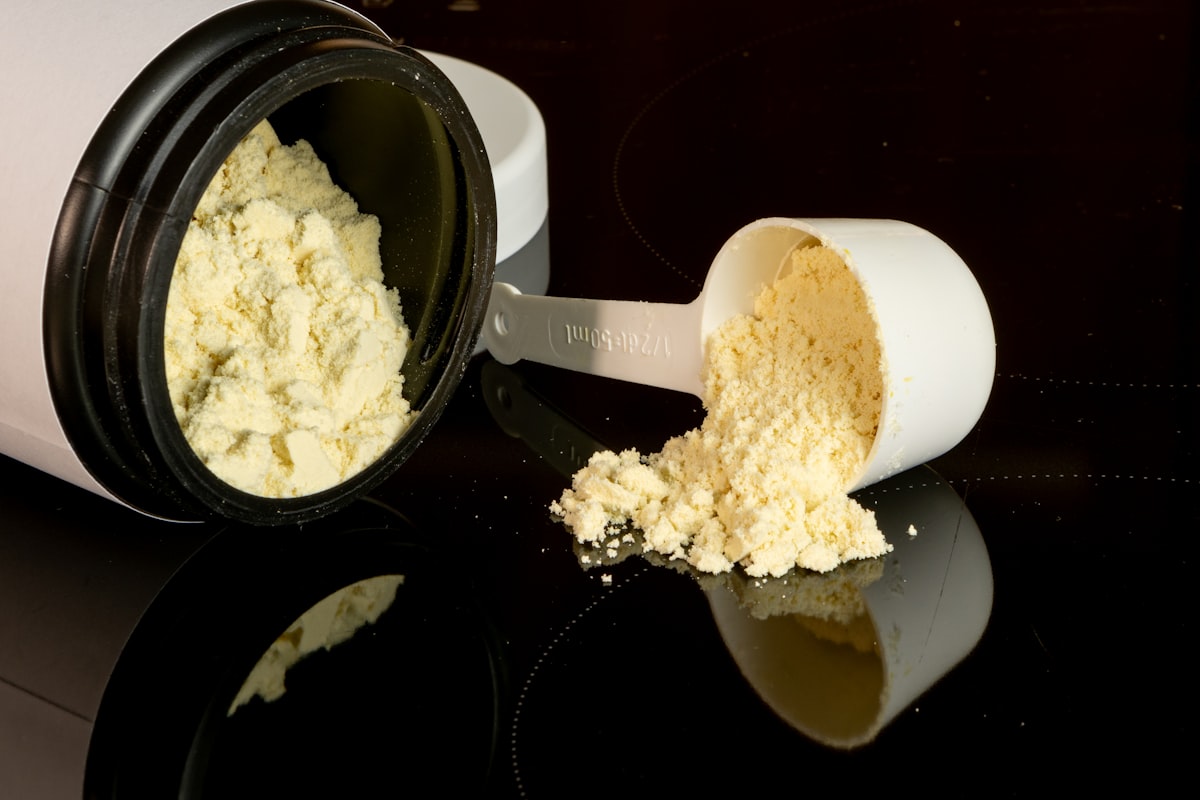
How to Choose the Right Protein Powder
Assess Your Goals
Determine whether your priority is muscle building, weight management, recovery optimization, or general wellness. Different powders emphasize different benefits—muscle-building formulas may include creatine, while weight management options feature higher fiber content.
Check Protein Quality
Review the ingredient list and look for high-quality protein sources. Whey isolate offers superior purity and absorption; whey concentrate is economical; casein digests slowly for sustained amino acid release; plant-based options suit vegan or dairy-free requirements.
Review Nutritional Data
Examine per-serving protein content, sugar levels, calories, carbohydrates, and fats. Compare amino acid profiles, especially essential amino acids and BCAAs. Verify that added ingredients align with your dietary preferences and avoid unwanted additives or allergens.
Read Reviews & Verify
Consult expert articles, user feedback, and third-party testing certifications before purchasing. Look for brands with transparent labeling, consistent quality standards, and independent verification. Starting with smaller quantities allows you to assess taste and digestibility before committing.
Protein Powder Types Comparison
| Protein Type | Absorption Speed | Protein Content | Best For | Cost |
|---|---|---|---|---|
| Whey Isolate | Very Fast (30-45 min) | 25-30g per serving | Post-workout recovery | Premium |
| Whey Concentrate | Fast (60 min) | 20-25g per serving | General use, value | Moderate |
| Casein | Slow (2-8 hours) | 20-25g per serving | Bedtime, sustained release | Premium |
| Plant-Based | Moderate (60-90 min) | 15-20g per serving | Vegan, dairy-free diets | Premium |
Top Product Features Overview
Whey Isolate Supreme
- 28g protein per serving
- Zero lactose, 99% pure
- 5.5g BCAA content
- Multiple flavor options
- Third-party tested
Ideal for rapid post-workout recovery and muscle building.
Plant Power Protein
- 25g complete protein
- All 9 essential amino acids
- Vegan and dairy-free
- Added fiber, 5g per serving
- Natural sweeteners only
Perfect for environmentally conscious men seeking plant-based nutrition.
Night Recovery Casein
- 24g slow-digesting protein
- 6+ hour release profile
- Nighttime muscle support
- Creamy, rich texture
- Added calcium and phosphorus
Excellent for sustained amino acid delivery throughout sleep cycles.
Frequently Asked Questions
How much protein powder should men consume daily?
Most fitness experts recommend 1.6-2.2 grams of protein per kilogram of body weight daily for muscle building. For a 180-pound (82kg) man, that's approximately 130-180 grams daily. Protein powder can provide 20-30 grams per serving, making it convenient to meet these targets when combined with whole foods.
Is whey isolate better than whey concentrate?
Whey isolate contains higher protein content (90-95%) and faster absorption, while whey concentrate (70-80%) is more economical and contains slightly more micronutrients. For post-workout recovery, isolate is superior; for general use, concentrate offers excellent value. Choose based on budget and specific goals.
Can protein powder replace whole food protein sources?
Protein powder is a supplement, not a replacement. Whole foods like chicken, fish, eggs, and legumes provide additional micronutrients, fiber, and health-promoting compounds that powder lacks. Use powder strategically to fill gaps in your diet, especially post-workout when whole foods aren't immediately available.
When is the best time to consume protein powder?
The "anabolic window" concept is partly overstated, but consuming protein within 1-2 hours post-workout optimizes muscle protein synthesis. However, total daily protein intake matters more than timing. Distribute protein throughout the day—breakfast, post-workout, and before bed are ideal times to maximize muscle-building benefits.
Are there any side effects from protein powder consumption?
Quality protein powders are generally well tolerated. Some individuals experience bloating or digestive discomfort if lactose-intolerant—whey isolate or plant-based options address this. Adequate hydration and gradual introduction minimize adjustments. Those with existing kidney conditions should consult healthcare providers, though normal protein consumption is safe for healthy individuals.
How do I identify high-quality protein powder brands?
Look for brands that publish third-party testing results, maintain transparent ingredient lists, and offer detailed nutritional information. Read expert reviews from fitness publications and check user feedback on taste and mixability. Established companies with strict quality control standards consistently deliver reliable products—start with reputable names and then explore based on personal preference.
Understanding Protein Powder Ingredients

Primary Protein Sources
The foundation of any quality powder is its protein source. Whey (isolate or concentrate), casein, and plant proteins (pea, hemp, soy) serve as primary ingredients. Each offers distinct amino acid profiles and absorption rates—whey isolate dominates for rapid post-workout use, while plant-based options suit ethical and dietary preferences without sacrificing effectiveness.
Carbohydrates and Fats
Different powders vary in carb and fat content. Isolates contain minimal carbs and fats (ideal for weight management), while concentrates offer slightly more. Some formulas intentionally include healthy fats or carbohydrates to support muscle building or training performance. Review the macronutrient breakdown to align with your specific fitness objectives.
Micronutrients and Additives
Quality powders often include added vitamins (B-complex, vitamin D), minerals (zinc, magnesium), and digestive enzymes. However, avoid excessive additives like artificial sweeteners, colors, and fillers. Natural sweeteners like stevia or monk fruit are preferable. Some premium formulas include probiotics or MCT oil for additional health benefits.